Introduction
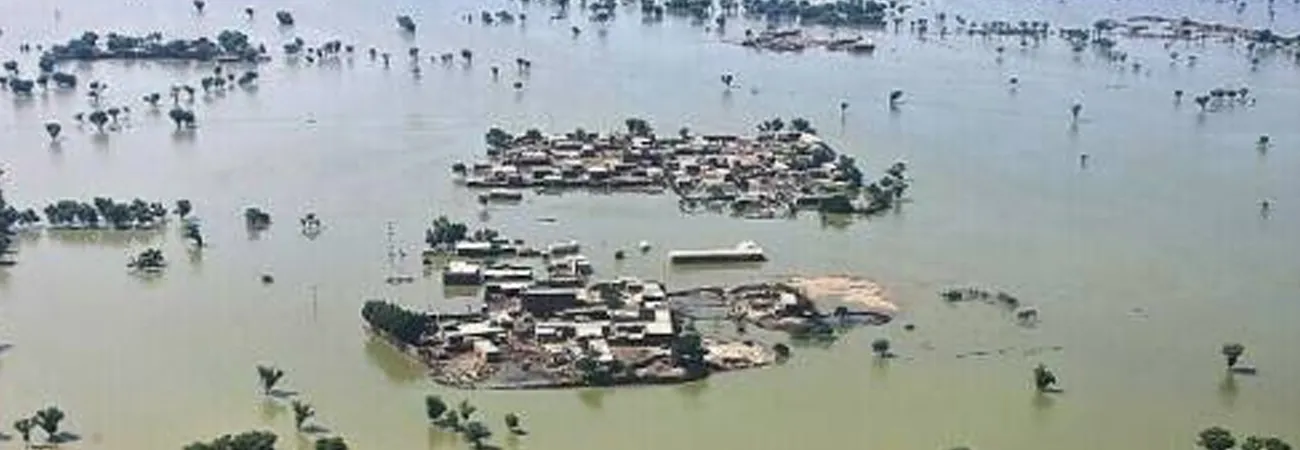
Climate change is no longer an abstract global debate—it is a lived reality for Pakistan. Ranked among the most climate-vulnerable countries in the world despite contributing less than 1% to global greenhouse gas emissions, Pakistan faces escalating environmental, economic, and humanitarian risks. From catastrophic floods to intensifying heatwaves and water scarcity, climate volatility is reshaping the country’s development trajectory.
1. Geographic and Structural Vulnerability
4
Pakistan’s vulnerability stems from a combination of geography and socio-economic constraints:
- Indus Basin Dependence: The country relies heavily on the Indus River system for agriculture, which contributes ~20% to GDP and employs nearly 40% of the workforce.
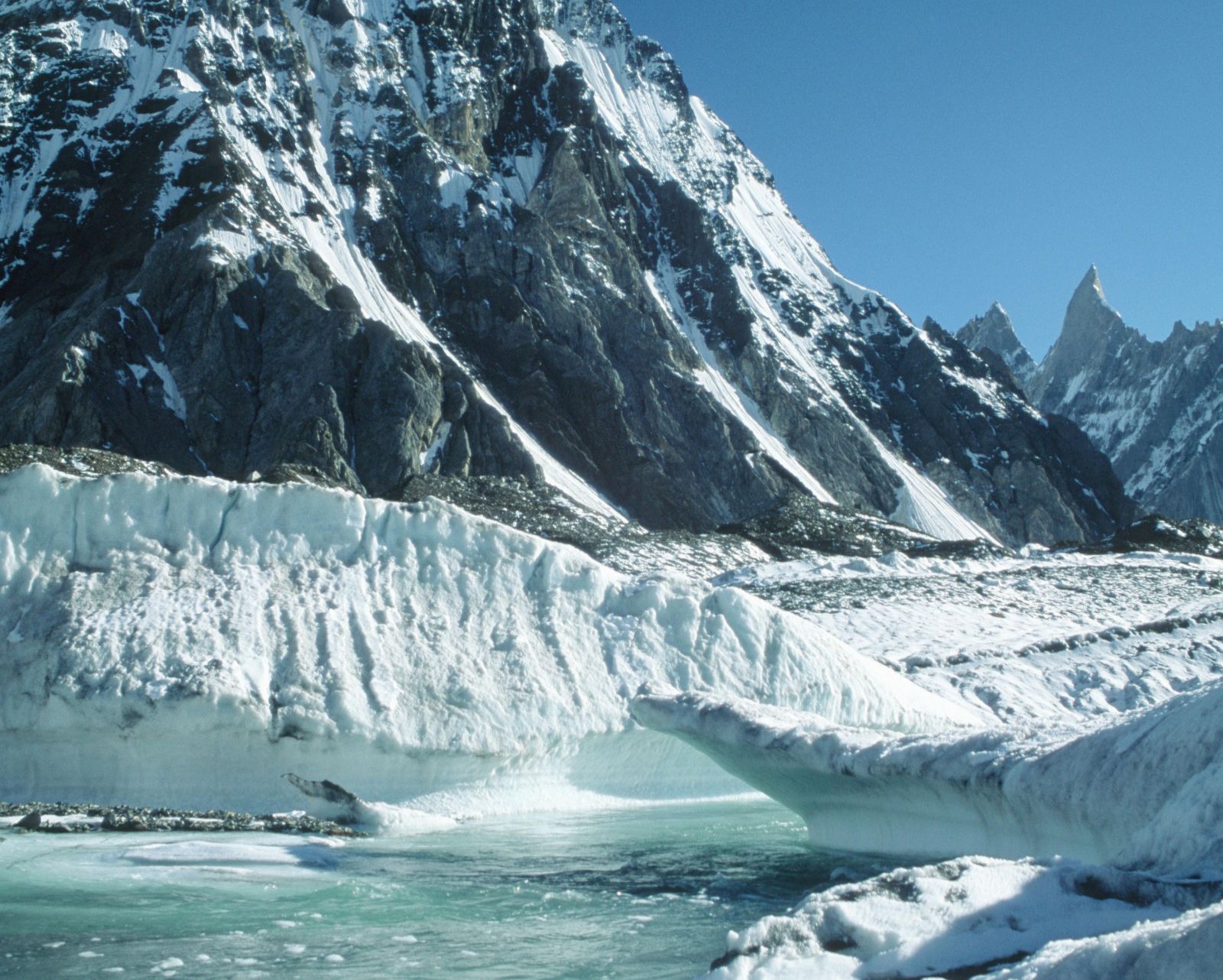
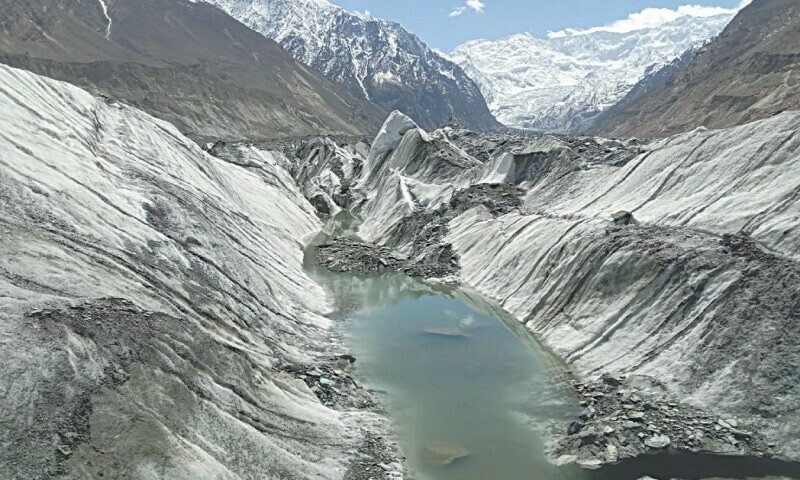
- Glacial Exposure: Home to over 7,000 glaciers in the Hindu Kush–Karakoram–Himalayan region, Pakistan faces accelerated glacial melt, increasing flood and Glacial Lake Outburst Flood (GLOF) risks.
- Urban Fragility: Rapid urbanization without climate-resilient infrastructure makes cities like Karachi and Lahore highly exposed to heat stress and urban flooding.
- Arid and Semi-Arid Climate: Over 60% of land is arid or semi-arid, increasing drought susceptibility.
2. Extreme Weather Events: A Pattern of Escalation
The 2022 Floods: A Climate Catastrophe
4
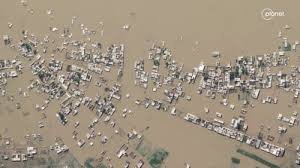
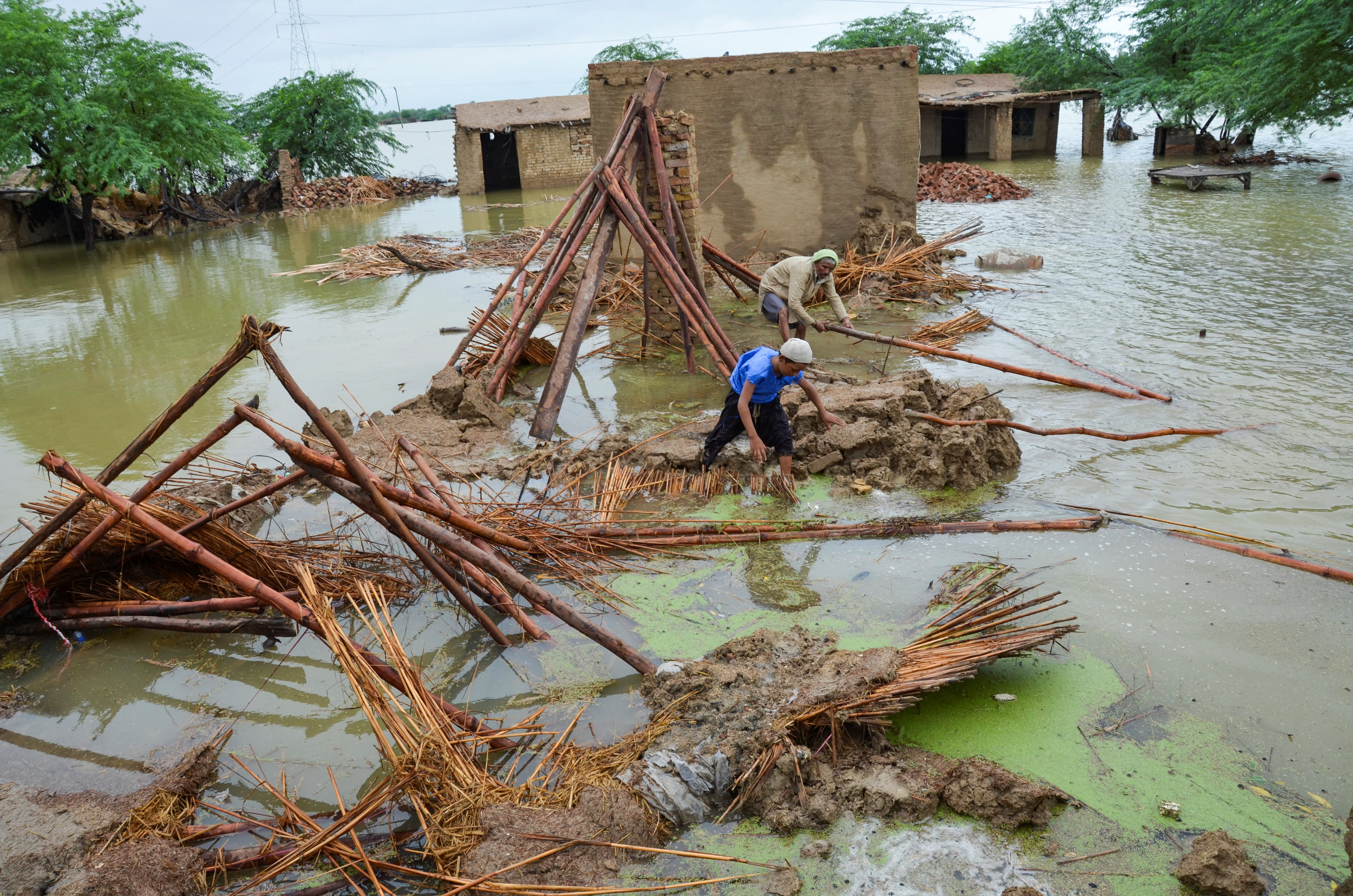
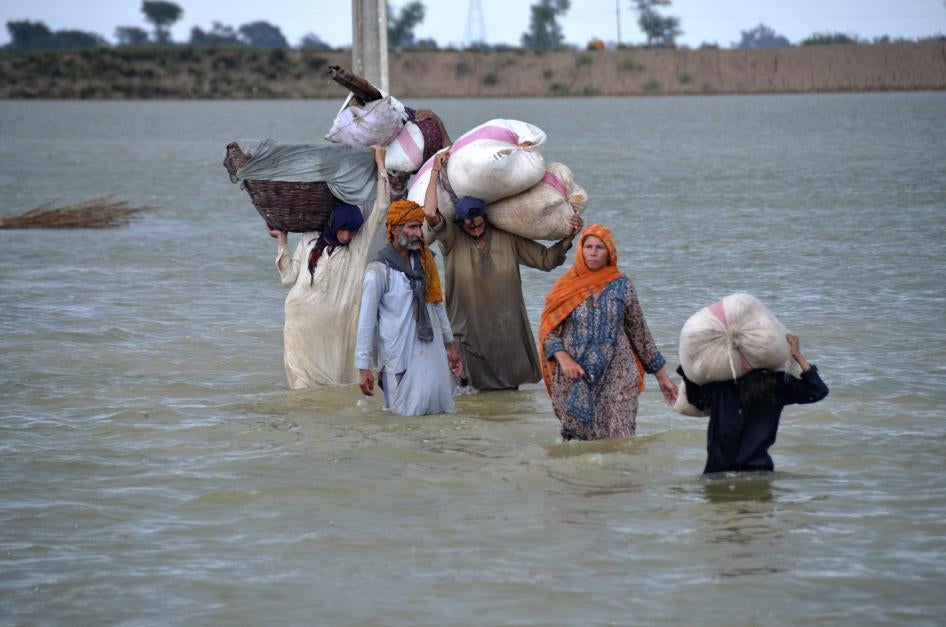
In 2022, unprecedented monsoon rainfall and glacial melt caused devastating floods:
- Over 33 million people affected
- 1,700+ lives lost
- Economic losses exceeding $30 billion
- Massive destruction of crops, livestock, and infrastructure
This disaster highlighted the compounding effects of climate change, poor drainage systems, deforestation, and weak disaster preparedness mechanisms.
3. Heatwaves and Rising Temperatures
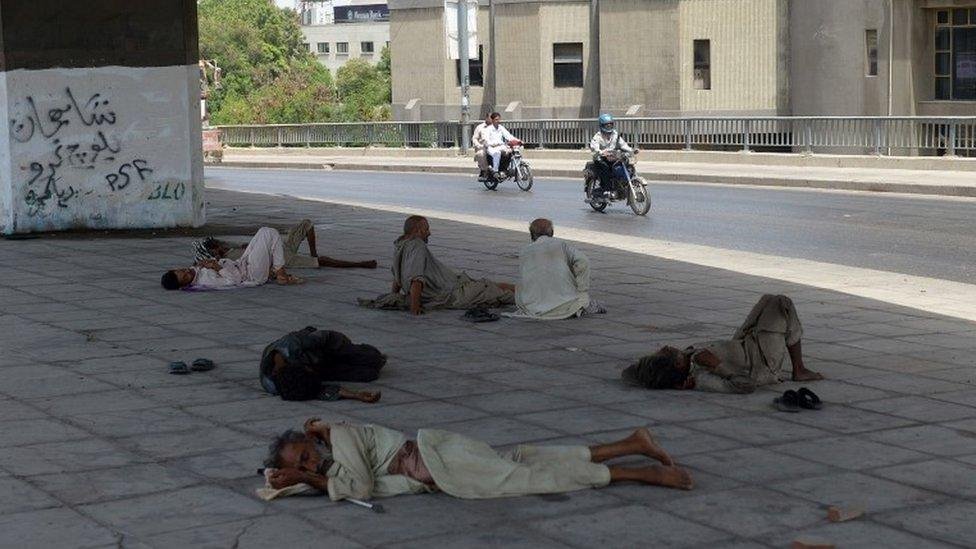
Cities like Karachi have experienced lethal heatwaves in recent years, with temperatures crossing 45°C. Rural communities suffer crop failures and water shortages, while urban populations face:
- Power grid overloads
- Water scarcity
- Increased mortality among vulnerable populations
- Public health crises
Pakistan’s average temperature is projected to rise faster than the global average, intensifying heat stress and reducing agricultural productivity.
4. Water Insecurity and Glacier Melt


4
Pakistan is already classified as a water-stressed country. Climate change is disrupting hydrological cycles through:
- Erratic monsoon patterns
- Rapid glacier retreat
- Increased frequency of GLOFs
- Reduced river flows during dry seasons
Since agriculture is heavily irrigation-dependent, water insecurity directly threatens food security and rural livelihoods.
5. Agricultural and Economic Impacts
Agriculture remains the backbone of Pakistan’s rural economy. Climate variability affects:
- Wheat and rice yields
- Cotton production
- Livestock health
- Rural incomes
Crop losses exacerbate inflation, food insecurity, and poverty. Climate shocks also discourage foreign investment and strain public finances due to repeated reconstruction costs.
6. Public Health Consequences
Climate change amplifies health risks through:
- Vector-borne diseases (e.g., dengue, malaria)
- Heatstroke and dehydration
- Malnutrition from crop failures
- Mental health impacts due to displacement
The health system, already under-resourced, struggles to respond to climate-induced emergencies.
7. Policy Responses and Climate Action
Pakistan has initiated several measures:
- National Climate Change Policy
- Nationally Determined Contributions (NDCs) under the Paris Agreement
- Large-scale afforestation programs such as the Ten Billion Tree Tsunami
- Renewable energy expansion targets
However, implementation gaps, limited fiscal capacity, governance inefficiencies, and reliance on fossil fuels constrain progress.
8. The Way Forward: Adaptation and Resilience
A climate-resilient Pakistan requires:
1. Climate-Smart Agriculture
- Drought-resistant crop varieties
- Efficient irrigation systems (drip irrigation, canal rehabilitation)
- Digital weather forecasting tools for farmers
2. Urban Resilience Planning
- Flood-resistant drainage systems
- Heat action plans
- Green urban infrastructure
3. Water Resource Management
- Reservoir expansion
- Watershed restoration
- Integrated river basin governance
4. Renewable Energy Transition
- Solar and wind investment
- Decentralized energy grids
- Policy incentives for clean energy adoption
5. Climate Finance Mobilization
- International climate adaptation funds
- Public-private partnerships
- Transparent fund management
Conclusion
Climate change in Pakistan is not a distant possibility—it is an ongoing structural crisis with multidimensional impacts. The country stands at a critical juncture where reactive disaster response must evolve into proactive climate governance.
Mitigation alone is insufficient. Adaptation, institutional reform, scientific planning, and climate justice must form the backbone of Pakistan’s long-term development strategy.
Pakistan’s climate challenge is global in origin but local in consequence. The urgency is no longer negotiable.