Corruption in Pakistan is not merely a moral failure of individuals—it is a systemic governance challenge embedded in political structures, bureaucratic processes, regulatory institutions, and informal power networks. It distorts markets, weakens democratic institutions, discourages investment, and erodes public trust. Despite repeated accountability drives and legal reforms, corruption remains a persistent structural issue affecting national development.
1. Understanding the Landscape of Corruption

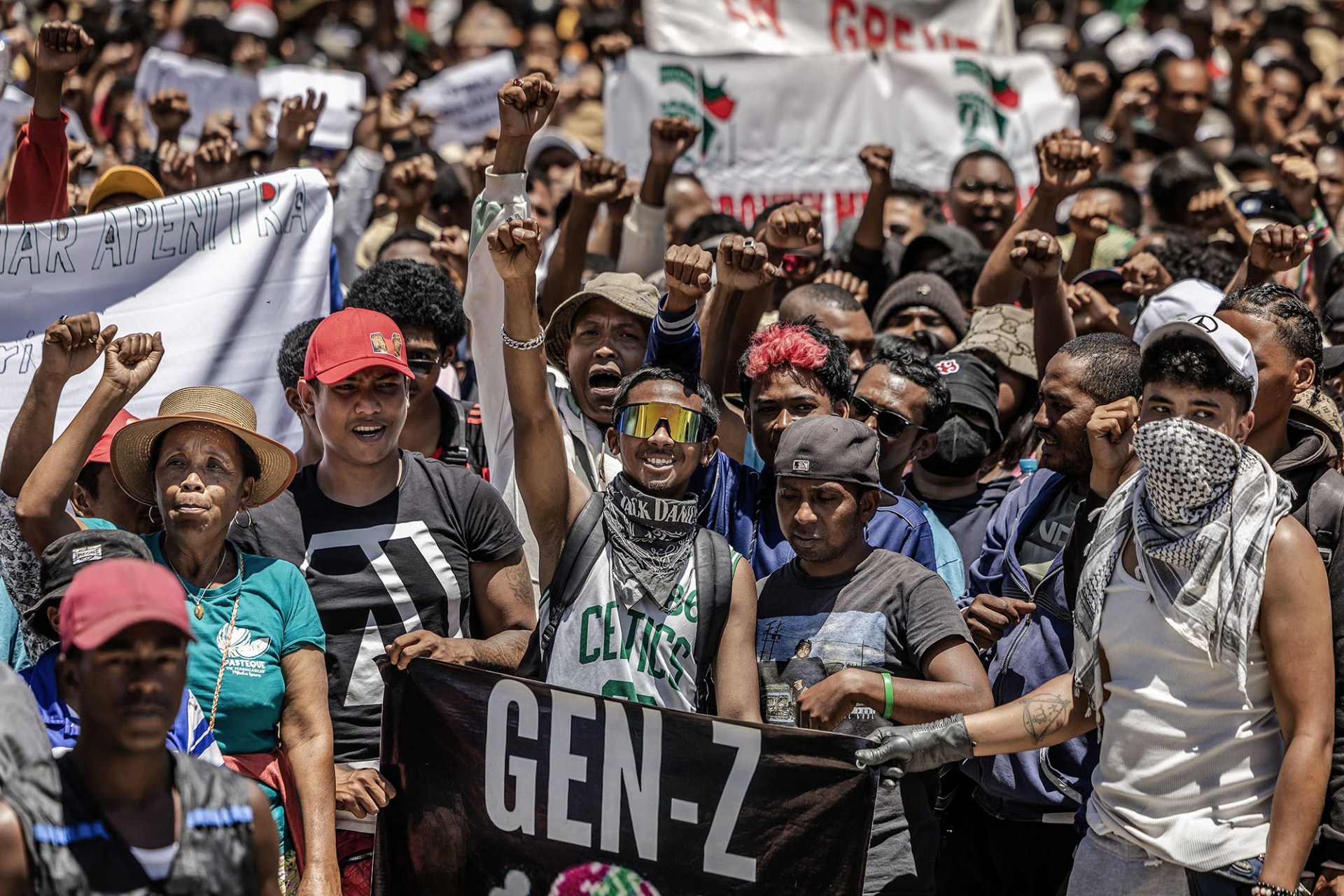
4
Corruption in Pakistan manifests across multiple domains:
- Petty corruption: Bribes for basic services (licenses, police reports, utilities)
- Grand corruption: Large-scale embezzlement, kickbacks in public contracts
- Political corruption: Patronage systems, vote-buying, nepotism
- Regulatory capture: Influence of powerful elites over state institutions
- Tax evasion and illicit financial flows
The problem is not isolated—it is institutional and often reinforced by weak enforcement mechanisms.
2. Structural Drivers of Corruption
1. Weak Institutional Accountability
Oversight bodies often lack operational independence, adequate resources, or political insulation. Accountability mechanisms are sometimes perceived as selective or politically motivated.
2. Political Patronage Networks
Electoral politics in Pakistan frequently operates through patron-client relationships. Public resources are sometimes distributed based on loyalty rather than merit.
3. Bureaucratic Complexity
Cumbersome procedures and excessive regulation create opportunities for rent-seeking behavior. When processes lack transparency, discretion increases—and so does corruption.
4. Judicial Delays
Prolonged litigation and low conviction rates reduce deterrence. Without timely prosecution, corruption becomes low-risk, high-reward behavior.
3. Economic Consequences

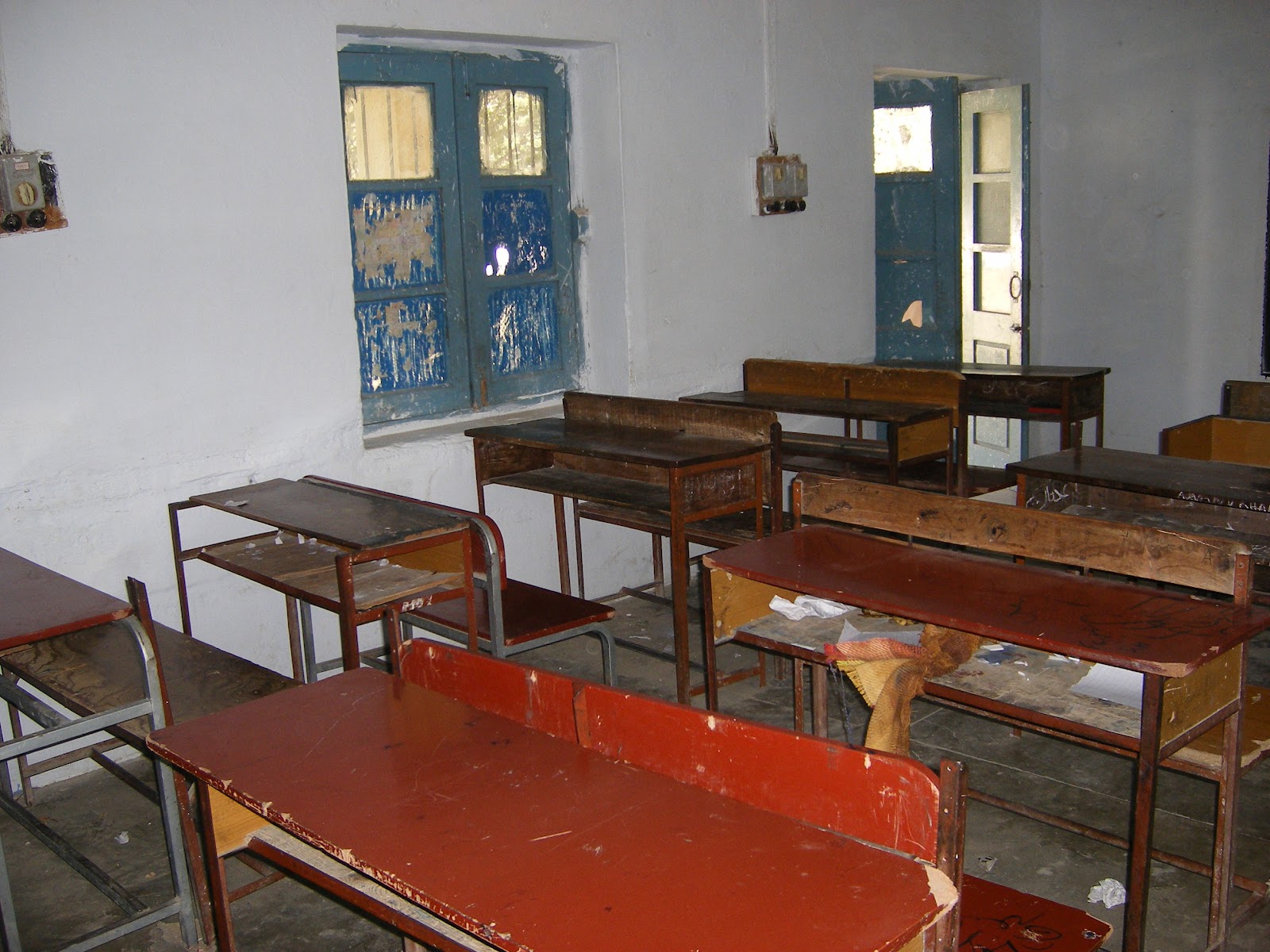

4
Corruption carries severe macroeconomic costs:
- Reduced Foreign Direct Investment (FDI) due to governance risk
- Inflated public project costs through kickbacks and over-invoicing
- Lower tax revenue collection
- Distorted market competition
- Misallocation of public funds
Infrastructure, education, and healthcare projects often suffer from leakages, resulting in substandard delivery and long-term developmental setbacks.
4. Social and Political Impacts
Corruption undermines:
- Public trust in institutions
- Rule of law
- Meritocracy
- Democratic legitimacy
When citizens perceive justice and opportunity as transactional rather than rights-based, social cohesion deteriorates. This perception fuels political instability and deepens polarization.
5. Major Accountability Institutions
Pakistan has established several oversight bodies, including:
- National Accountability Bureau (NAB)
- Federal Investigation Agency (FIA)
- Election Commission of Pakistan (ECP)
- Provincial anti-corruption departments
Despite these structures, enforcement challenges persist due to political interference, selective prosecution allegations, and institutional fragmentation.
6. Corruption and the Informal Economy
Pakistan has a large undocumented economy. Weak tax enforcement and informal transactions allow:
- Underreporting of income
- Smuggling and trade misinvoicing
- Cash-based corruption networks
Formalizing the economy through digitalization and financial transparency is essential to reducing leakages.
7. Digital Governance as a Reform Tool
One of the most promising anti-corruption mechanisms is digital transformation:
- E-procurement systems
- Online tax filing
- Digital land records
- Automated licensing processes
Reducing human discretion through automation lowers bribery opportunities and enhances traceability.
8. The Way Forward: Systemic Reform
Effective anti-corruption reform requires structural—not cosmetic—change:
1. Institutional Independence
Oversight bodies must operate free from political influence, with transparent appointment processes.
2. Judicial Efficiency
Specialized anti-corruption courts with strict timelines can improve conviction rates.
3. Political Finance Reform
Transparent campaign financing and expenditure monitoring are critical.
4. Public Sector Transparency
Open-data portals and citizen oversight mechanisms enhance accountability.
5. Civil Service Reform
Merit-based recruitment, competitive salaries, and performance-based evaluations reduce incentives for corruption.
6. Civic Education
Long-term cultural change requires ethics education and public awareness campaigns.